
Blog
Heavy Haulage: A Complete Guide to Transporting Oversized & Heavy Loads
Heavy haulage is used when standard transport methods are no longer enough. Moving oversized, overweight, or unusually shaped loads requires specialised equipment, careful planning, and experienced operators who understand the risks involved. Whether it is large machinery, industrial equipment, or disabled heavy vehicles, heavy haulage plays a critical role in keeping projects moving across Sydney and beyond.
For businesses dealing with complex transport requirements, understanding how heavy haulage works helps avoid delays, compliance issues, and costly damage. Experienced operators like STTG support heavy haulage projects every day, combining heavy equipment transport and heavy towing solutions to safely move challenging loads across busy roads, worksites, and industrial areas. If you need help with moving large or immobile vehicles, STTG can provide expert guidance and support.
What Is Heavy Haulage?
Heavy haulage refers to the transport of loads that exceed standard size or weight limits for normal freight vehicles. These loads usually require specialised trailers, towing equipment, permits, and route planning to be moved safely and legally.
Unlike general freight transport, heavy haulage often involves:
- Oversized or overmass loads
- Machinery or equipment that cannot be dismantled
- Vehicles that are immobile or unsafe to drive
- Special handling, loading, or escort requirements
Heavy haulage projects are rarely straightforward. Each job is planned individually based on the load, distance, road conditions, and regulatory requirements. This is why professional heavy transport services are essential, especially in urban areas like Sydney, where access, traffic, and restrictions can complicate even short moves.
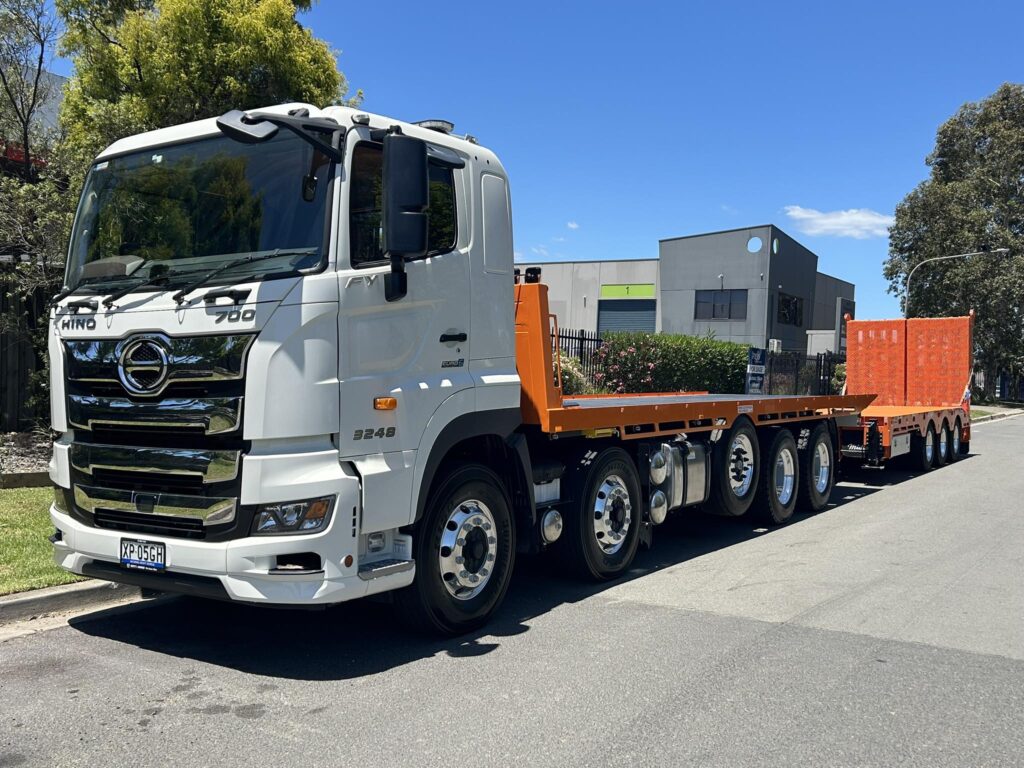
What Types of Loads Require Heavy Haulage?
Heavy haulage is used across construction, mining, manufacturing, logistics, and infrastructure projects. The common factor is that the load cannot be transported using standard trucks or trailers.
Typical loads that require heavy haulage include:

Construction and earthmoving machinery

Industrial and manufacturing equipment

Oversized site vehicles

Containers or modular structures
Disabled heavy vehicles requiring recovery
Heavy equipment transport is often required when machinery needs to be moved between sites, delivered to a new project, or relocated for maintenance. Heavy towing is used when large vehicles or equipment are broken down, damaged, or unsafe to operate on public roads.
In many cases, a single job may involve both heavy machinery transport and heavy vehicle towing, depending on the condition and configuration of the load. Some jobs may also fall under oversized vehicle transport or heavy load transport, which require specialised handling and permits.
How Heavy Haulage Projects Are Planned
Successful heavy haulage depends on careful preparation. Unlike standard towing or transport, heavy haulage projects are planned in stages to manage risk and ensure compliance.
Load Assessment
The process starts with a detailed assessment of the load. This includes:
- Dimensions and weight
- Centre of gravity
- Condition of the equipment or vehicle
- Loading and unloading requirements
This information determines what equipment is needed and whether permits or escorts are required.
Route Planning
Route planning is a critical part of heavy-load transport. Operators consider:
- Road weight limits and bridge clearances
- Tight turns, gradients, and access points
- Traffic conditions and peak travel times
- Construction zones and temporary restrictions
In Sydney, route planning is especially important due to congestion and restricted access in industrial and inner-city areas.
Permits and Compliance
Oversized load transport often requires permits from road authorities. These permits outline:
- Approved routes
- Travel times
- Escort vehicle requirements
- Safety conditions
Professional heavy haulage providers manage this process to ensure the transport complies with all regulations.
Loading and Securing
Loads are positioned and secured using specialised equipment designed for heavy transport. This step is crucial for safety, stability, and damage prevention during transit.
Transport and Delivery
Once on the road, operators monitor the load continuously and adjust as needed. Delivery often requires the same level of care as loading, particularly when unloading at confined or active sites.
Need urgent assistance with a heavy haulage or recovery job? Call us on (02) 9545 3464 to speak with a team experienced in heavy towing and oversized load transport across Sydney.
Safety, Compliance & Regulations in Australia
Heavy haulage in Australia is tightly regulated due to the risks involved. Oversized and overmass transport must comply with national and state-based requirements to protect road users and infrastructure.
Key considerations include:
- Oversized and overmass vehicle classifications
- Load restraint standards
- Approved travel times
- Pilot or escort vehicles for oversized loads
Professional heavy transport services understand these requirements and ensure every job is planned accordingly. Attempting to move heavy or oversized loads without proper approval can lead to fines, delays, and serious safety risks.
For official guidance, operators often refer to state road authorities such as Transport for NSW for oversize and overmass requirements.
STTG Services Supporting Heavy Haulage Projects
Heavy haulage is rarely a single service. It is usually supported by a combination of specialised transport and recovery solutions. STTG supports heavy haulage projects through services designed to handle complex loads safely and efficiently.
These include:
- Heavy equipment transport services for moving machinery between sites
- Heavy vehicle towing for disabled trucks, buses, and large fleet vehicles
- Oversized load transport support for abnormal or oversized loads
- Industrial equipment transport for factories, warehouses, and infrastructure projects
Rather than treating heavy haulage as a one-size-fits-all service, STTG assesses each job individually. This approach reduces risk, improves efficiency, and ensures compliance with local transport requirements across Sydney and surrounding regions. If you need advice for an upcoming heavy haulage project, call STTG for expert guidance.
Need Help With a Heavy Haulage Job?
Heavy haulage is not something to leave to chance. The right equipment, experience, and planning make all the difference when transporting oversized loads or recovering heavy vehicles.
If you need support with heavy haulage, heavy towing, or equipment transport in Sydney, get in touch with STTG. Our team can assess your job, explain the safest approach, and arrange professional transport that meets compliance requirements.
Frequently Asked Questions About Heavy Haulage
When is heavy haulage required instead of standard transport?
Heavy haulage is required when a load exceeds standard size or weight limits, cannot be safely driven, or needs specialised handling. This often applies to large machinery, industrial equipment, or immobile heavy vehicles.
Does heavy haulage always require permits?
Not always, but many oversized load transport jobs do. Permits depend on the load dimensions, weight, route, and timing. A professional provider will confirm and manage permit requirements.
Can heavy haulage be done within Metro Sydney?
Yes, but it requires careful planning. Traffic conditions, access restrictions, and local regulations make professional route planning essential for heavy transport services in Sydney.
What is the difference between heavy towing and heavy haulage?
Heavy towing usually involves recovering or relocating disabled heavy vehicles. Heavy haulage focuses on transporting oversized or overweight loads. Some jobs involve both.
How long does heavy haulage planning take?
Planning time varies. Simple moves may be arranged quickly, while complex oversized vehicle transport can take days due to permits and route approvals.
Is insurance included with heavy haulage services?
Reputable providers carry insurance appropriate for heavy load transport. It is always worth confirming coverage details before transport begins.